

Hear from Our Customers
You’ve noticed the musty smell in your basement. Maybe you’ve seen discoloration on your walls or around your windows. Or maybe you’re dealing with unexplained headaches and respiratory issues that seem to get better when you leave the house.
Here’s what matters: guessing doesn’t protect your family or your property. Professional mold testing tells you exactly what type of mold you’re dealing with, how much is present, and whether it’s a health risk. That’s the difference between spending thousands on unnecessary remediation or catching a small problem before it spreads behind your drywall.
In Dublin, where homes average over 50 years old and property values sit around $323,000, you’re not just protecting your health. You’re protecting a significant investment. Undetected mold can reduce your home’s value by 20-37%. Early detection through proper testing means you address problems at a few hundred dollars instead of facing $3,000 to $20,000 in extensive remediation down the road.
We’ve been handling mold testing and remediation across Bucks County for years. We know the local climate, the common problem areas in homes built in the 1970s and 1980s, and what Dublin homeowners are dealing with when it comes to basement moisture and attic ventilation issues.
We’re not a national franchise reading from a script. Our inspectors live and work in this area. We use the same certified laboratories, the same thermal imaging equipment, and the same moisture detection tools on every job—whether it’s a small condo or a large single-family home.
You’ll get straightforward answers, transparent pricing, and lab results you can actually understand. No upselling. No scare tactics. Just accurate information about what’s happening in your home.
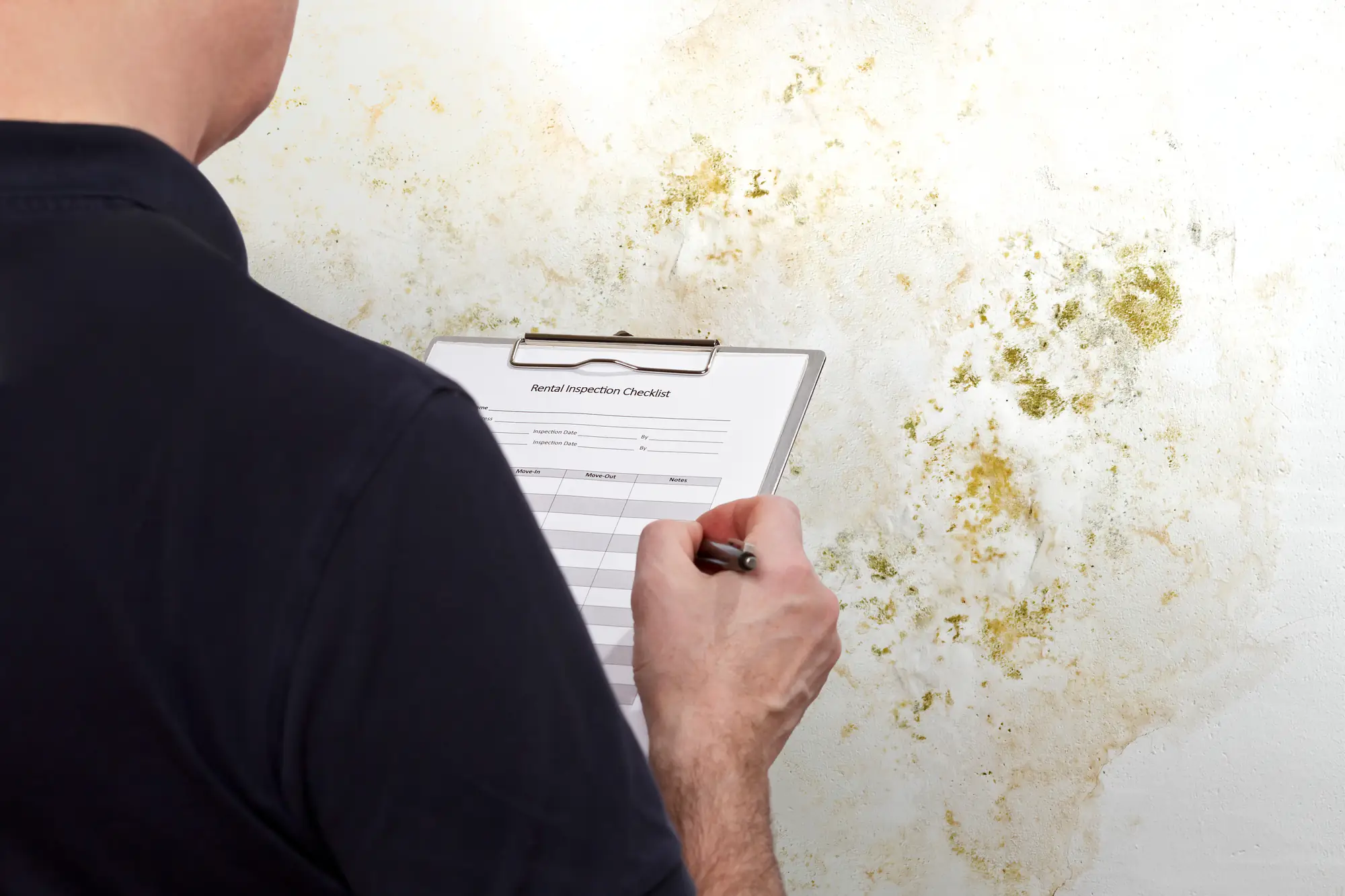
First, we do a complete visual inspection of your property. That means checking the obvious spots like bathrooms and basements, but also the places most people miss—behind appliances, inside HVAC systems, around window frames, and in crawl spaces.
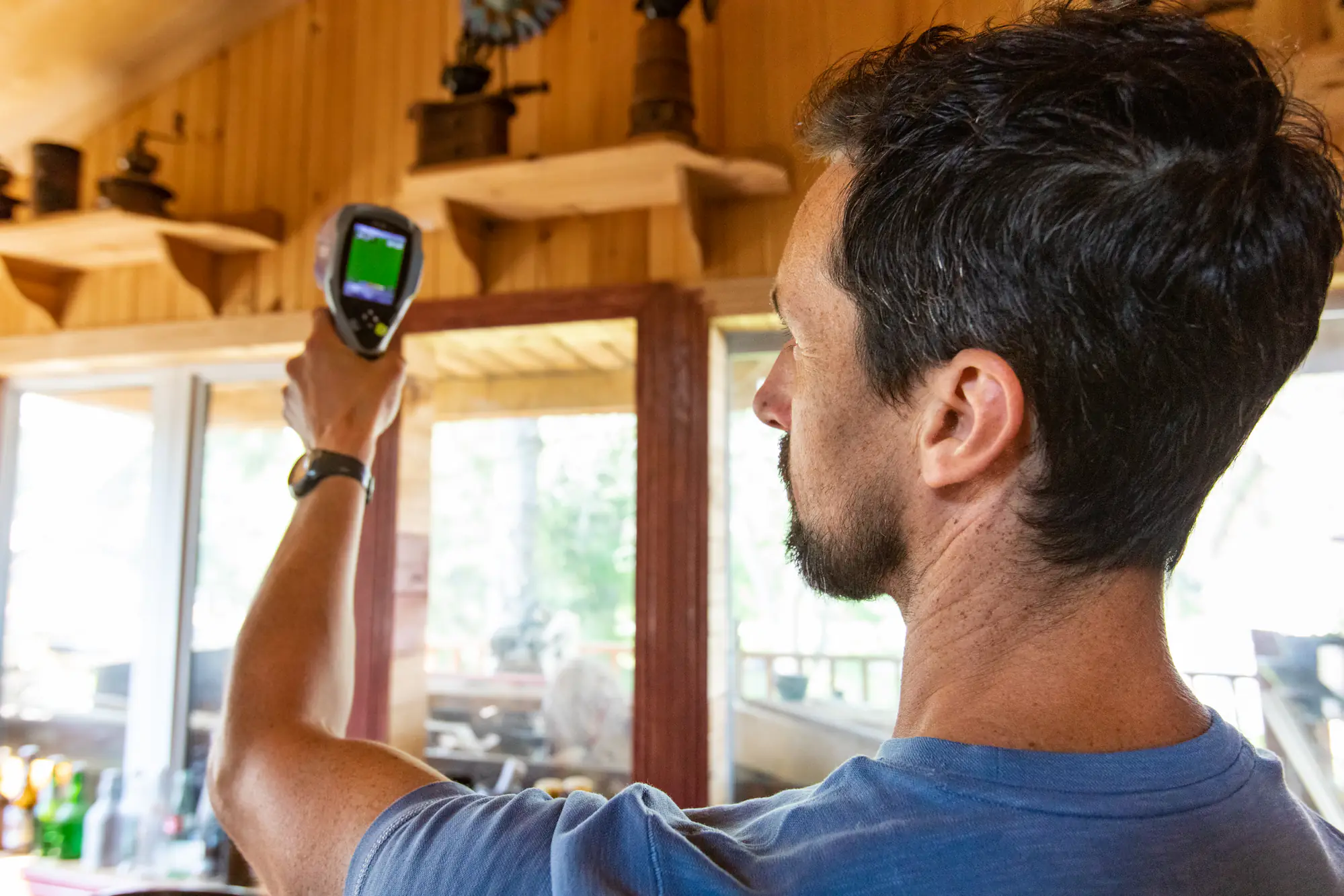
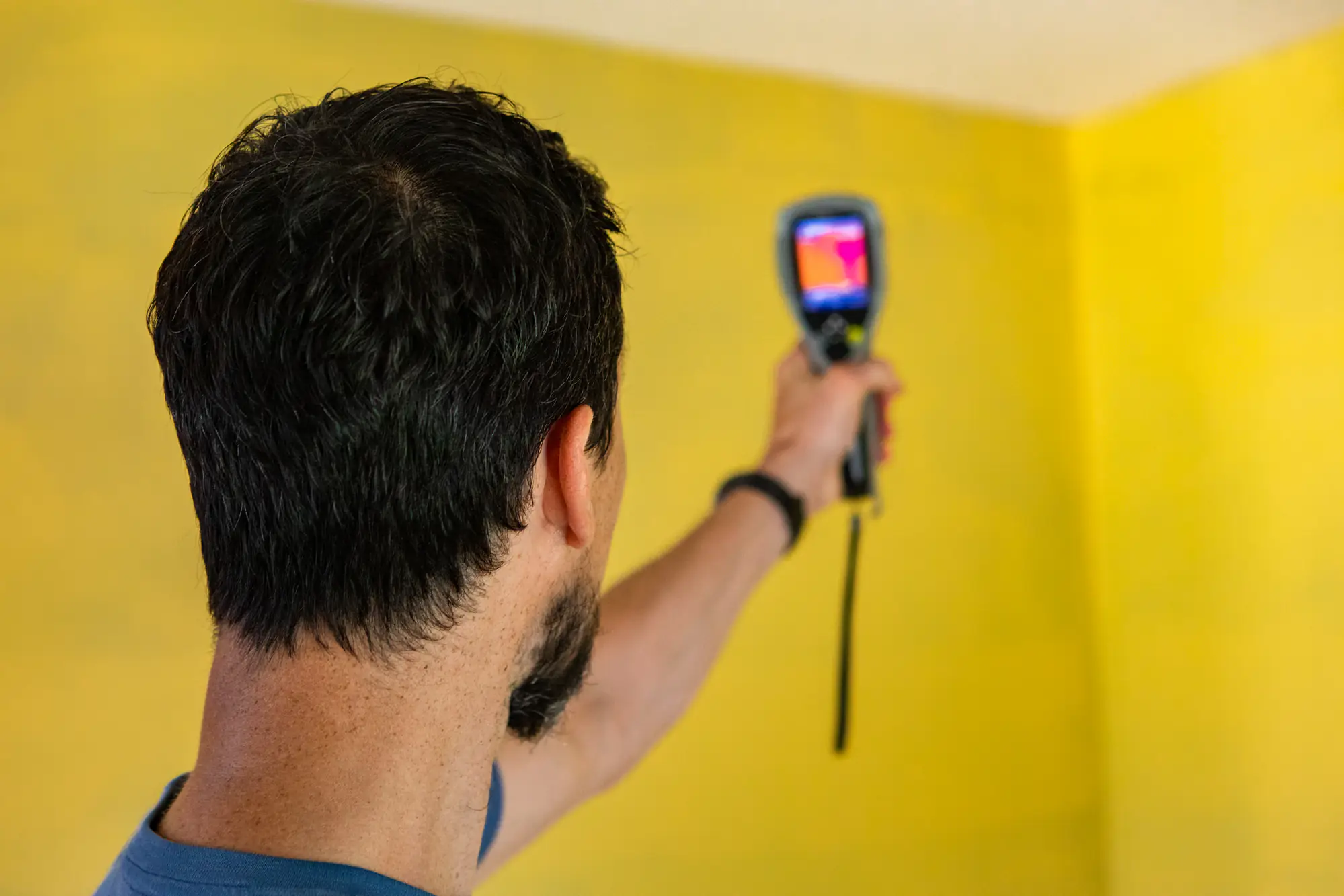
We use thermal imaging cameras and moisture meters to find hidden water damage and potential mold growth behind walls and under flooring. These tools pick up temperature differences and moisture levels that indicate problems you can’t see yet.
Next comes air sampling and surface testing. We collect samples from multiple areas of your home and send them to an independent, certified laboratory for analysis. This isn’t a quick visual guess—it’s actual lab work that identifies the specific species of mold, the concentration levels, and whether you’re dealing with toxic varieties like black mold.
You’ll get detailed results in 3-7 business days. The report includes lab findings, photographs from the inspection, moisture readings, and a clear explanation of what it all means. If remediation is needed, you’ll know exactly what needs to be addressed and why.
Ready to get started?
You get a certified inspector who knows what to look for and where to look. That includes a comprehensive visual assessment of your entire property, not just the room where you noticed a problem.
We bring infrared cameras, digital moisture meters, and air sampling equipment to every inspection. These aren’t optional add-ons—they’re standard tools we use to give you accurate results. The air quality testing captures airborne spore levels throughout your home, which is critical because mold releases spores you can’t see but are definitely breathing.
Surface samples get collected from any visible growth or suspicious areas. Everything goes to a certified lab that specializes in mold identification. You’re not relying on our opinion—you’re getting scientific analysis that identifies the exact species and concentration.
The detailed report you receive includes laboratory results with spore counts, photographs documenting what we found, moisture readings from every area we tested, and professional interpretation of what the results mean for your home and health. If you need this for insurance purposes, the documentation is thorough enough to support your claim.
In Bucks County’s humid climate, basements and crawl spaces are prime breeding grounds. We pay extra attention to these areas because that’s where problems start in most Dublin homes. Standard testing runs $400-$600 depending on your home’s size and the number of samples needed.
If you can see mold growth larger than a few square feet, you probably don’t need testing—you need remediation. Testing makes sense when you smell something musty but can’t find the source, when you’re experiencing health symptoms that might be mold-related, or when you want to verify that a previous remediation job actually worked.
Testing is also smart after water damage, before buying a home, or if you’re in a legal situation where you need documentation. For Dublin homeowners, it’s particularly useful in older homes where you suspect hidden growth behind walls or in areas you can’t easily access.
The lab results tell you what species you’re dealing with and whether it’s a health risk. Some molds are relatively harmless. Others, like Stachybotrys chartarum (black mold), produce mycotoxins that cause serious respiratory problems and allergic reactions. You can’t tell the difference just by looking.
Air testing measures the concentration of mold spores floating in your indoor air. We collect samples from different rooms and compare them to outdoor air quality. High indoor spore counts indicate active mold growth somewhere in your home, even if you can’t see it.
Surface testing involves taking samples directly from visible growth or suspicious areas. We use swabs or tape lifts to collect material, which gets analyzed under a microscope at the lab. This identifies the specific mold species present and confirms whether what you’re seeing is actually mold or just dirt and discoloration.
Most professional mold testing includes both methods. Air testing shows you the overall indoor air quality and helps locate hidden problems. Surface testing gives you definitive identification of what’s growing. Together, they provide a complete picture of your mold situation and help determine the right remediation approach.
The actual inspection takes 1-3 hours depending on your home’s size and how many areas need testing. We’re thorough but efficient—we’re not going to waste your entire day.
Lab results come back in 3-7 business days. That’s how long it takes for the certified laboratory to culture the samples, identify the species under a microscope, and generate a detailed report. Some companies offer “instant” results, but those are preliminary screenings, not comprehensive lab analysis.
The wait is worth it. You’re getting accurate identification of mold species, precise spore counts, and professional analysis you can trust. If you’re dealing with insurance claims or real estate transactions, you need that level of documentation. Rush services are sometimes available for an additional fee if you’re in a time-sensitive situation.
It depends on what caused the mold. If it resulted from a sudden, accidental event like a burst pipe or storm damage, most policies provide coverage. If it developed over time due to poor maintenance or chronic moisture issues, probably not.
Your policy likely has specific mold coverage limits—often $10,000 or less. Some insurers require professional testing and documentation before they’ll approve a claim. That’s where having certified lab results and detailed inspection reports becomes important.
We can help you navigate the insurance process. We’ve worked with claims adjusters throughout Bucks County and know what documentation they need. We’ll provide thorough reports and photographs that support your claim. Just understand that coverage isn’t guaranteed, and you should review your specific policy or talk to your agent before assuming you’re covered.
Home test kits are cheap, but they’re also unreliable. Most detect mold presence, which isn’t useful—mold spores exist in every home. What matters is the type of mold and the concentration levels. Home kits can’t tell you that.
Professional testing uses calibrated equipment, proper sampling techniques, and certified laboratory analysis. Our inspectors know where to look and how to collect samples without cross-contamination. We use thermal imaging and moisture meters to find hidden problems you’d never catch with a DIY kit.
The lab analysis identifies specific species and provides spore counts that determine whether you have a health risk or just normal background levels. For a few hundred dollars, you get accurate information that helps you make smart decisions about your home. A $40 kit from the hardware store just tells you mold exists somewhere—which you probably already knew.
Don’t disturb any visible mold growth. Scrubbing or removing it releases thousands of spores into the air, making the problem worse. If you have active leaks or moisture issues, get those fixed immediately—mold needs water to grow, and stopping the moisture source is always step one.
Run your HVAC system normally unless we’ve specifically told you not to. Shutting it off won’t help and might create humidity problems. If you have concerns about air quality, you can open windows for ventilation, but don’t run fans directly on moldy areas.
Keep people with respiratory issues, allergies, or compromised immune systems away from affected areas if possible. Once we get your lab results back, we’ll walk you through exactly what needs to happen next. If remediation is necessary, we’ll explain the scope of work and give you a clear timeline and cost estimate before any work begins.
Other Services we provide in Dublin